
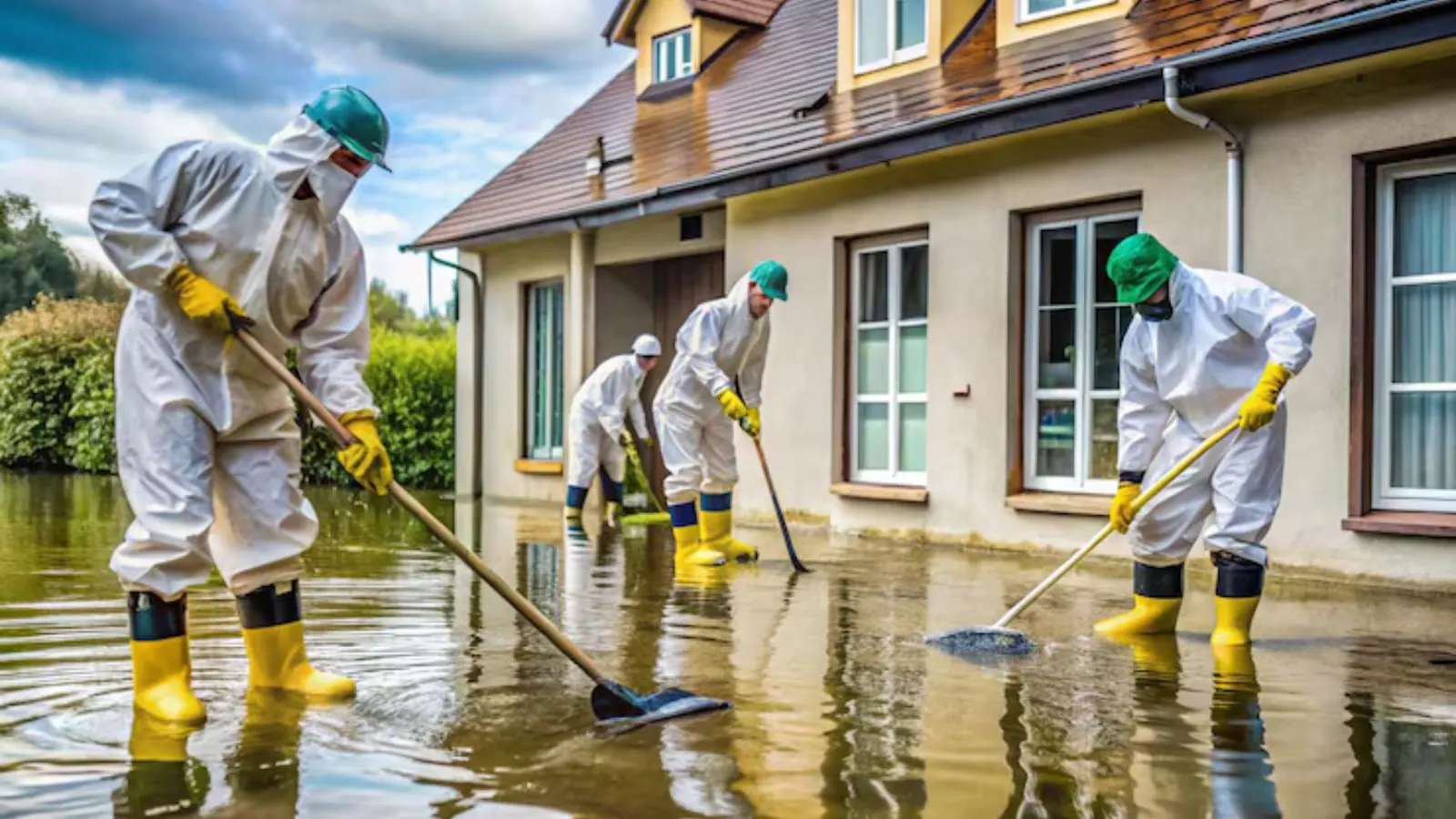
When flood water is an emergency
Flood water moving into a house is an emergency from the first inch, and the dispatch line for Orem, UT answers 24/7. Flood damage restoration is the removal, disinfection and structural drying of a building after outside water enters from storm runoff, snowmelt, a rising river or groundwater. While you wait for a crew, stay out of the water, keep children and pets away, and move to higher ground if the water is still rising.
Flood water is treated as contaminated because it crosses yards, streets and sometimes sewers on the way in. That puts it in Category 2 or Category 3 under the ANSI/IICRC S500 water damage standard, which changes the work from a simple dry-out into removal, washing and protective gear. A broken supply pipe is a different job and fits better under water mitigation.
How flooding reaches Orem homes
The main flood concern for Orem is the Provo River, with the Dry Canyon drainage to the northeast of Orem and Lindon running to a detention basin near the Dry Canyon trailhead. Deer Creek and Jordanelle reservoirs are used for flood control on the river. In the high-runoff spring of 2023, Orem Public Works kept nearly 5,000 sandbags available, starting with residents next to the Provo River.
Closer to the house, the usual culprits are quieter. Window wells fill, sump pumps fail or discharge too close to the foundation, and clogged curbs and storm drains send water toward garage doors. Clear gutters and drains, point downspouts and sump discharge away from the house, and sign up for alerts at alerts.utahcounty.gov before the next runoff season.
What a flooded property looks like
- Water standing in a basement, garage or crawl space with no broken pipe to blame
- Muddy or gray water, silt lines on walls, or debris floating in the room
- Sewage smell, or water rising from a floor drain, shower or toilet
- A sump pump that is running nonstop, silent, or overflowing its pit
- Window wells brimming over, with water seeping at the sill
- Wet drywall, damp carpet edges and a cold, clammy feel in the lowest rooms
Basement flooding cleanup
A flooded basement is the most common flood call, and the first step is safety. If water is near the panel, outlets or a furnace, stay out and call 911 or the utility before you call us. Cut power only if the panel is dry and safe to reach. Never wade into water that could be energized.
Once the space is safe, crews pump the standing water with submersible pumps and finish with truck-mounted or portable extraction units. Wet carpet, pad, insulation and the lower stretch of drywall come out. Concrete and framing are washed, treated with an antimicrobial, and dried with air movers and LGR dehumidifiers while moisture meters track progress.
Do not run the furnace or a household vacuum in a wet basement. Check that the sump pit is clear of silt and that its discharge line runs outside, and keep stored boxes, rugs and cardboard off the floor. Photograph the waterline on the walls before anything is cut out.
Sewage backup cleanup
Sewage backing up through a floor drain or toilet is a contaminated-water event, and it should not be handled with household cleaners and a mop. Stay out of the room, keep everyone else out, and stop using sinks, showers and toilets until the line is cleared. If water has reached outlets or the panel, call 911 or the utility first. A gas smell means leaving the house and calling the gas utility.
A plumber clears the blockage. The restoration crew then removes porous materials the sewage touched, such as carpet, pad, insulation and drywall, using protective suits, gloves and respirators. Hard surfaces are scrubbed, treated with an antimicrobial and checked with a moisture meter, and HEPA air scrubbers run while the area dries.
Ask your plumber to identify whether the blockage was in your lateral or in the city main, because that affects who responds. Keep the plumber's invoice and your own photos together for any insurance conversation.
How flood restoration moves from water to dry
Stabilize the site
The crew confirms utilities are safe, sets up lighting and walkways, and decides what protective gear the water category requires.
Pump and extract
Submersible pumps remove depth, then extraction units pull water from carpet, concrete and low spots. Silt and debris are scooped out so the floor can be washed.
Remove contaminated materials
Flood-soaked carpet, pad, insulation and drywall are cut out and bagged. Cutting a clean line above the water mark keeps the remaining wall intact.
Wash and disinfect
Slabs, studs and cabinets are washed with detergent, then treated with an antimicrobial. HEPA vacuums pick up fine dust once surfaces are dry.
Dry the structure
Air movers and LGR dehumidifiers run across the lowest levels. Thermal imaging cameras and moisture meters guide the setup and show when readings return to normal for the material.
Confirm and hand off
Final readings and photos are recorded. Rebuild decisions come next, and water damage repair covers the drywall, flooring and finish work.
Decision table: what you see and what to do first
| What you see | Likely source | First move |
|---|---|---|
| Clear water across a basement floor after a thaw | Snowmelt, saturated ground, window well overflow | Stay out if outlets are wet, shut off power only if safe, call |
| Muddy water with silt lines | Storm or river runoff | Keep people out, move valuables up, call for extraction |
| Water rising in a floor drain | Sewer backup | Stop using fixtures, avoid contact, call a plumber and the line |
| Sump pit full and pump silent | Pump or power failure | Check power only from a dry spot, then call |
| Damp wall at the foundation line | Groundwater seepage | Photograph it, note timing, call a foundation contractor too |
| Water near the panel or outlets | Any of the above | Stay out and call 911 or the utility before calling us |
Flood coverage and your policy
Standard homeowners and renters policies do not cover flood, according to the Utah Insurance Department. Flood coverage is a separate policy, mostly through the National Flood Insurance Program with some private options, and NFIP policies normally carry a 30 day waiting period.
Check your policy before you assume anything, and ask your insurer what applies to sewer backup and sump failure, which are often separate endorsements. Check the FEMA flood map for your address if you are shopping for coverage.
The water is gone but the basement still feels damp
A cold, clammy feel after the standing water is gone usually means moisture is still inside the slab edge, the bottom plate of the walls or the insulation behind them. Surfaces dry first and structure dries last, so a room can feel fine to the eye and still read wet on a meter.
Ask for moisture readings at the baseboard line and in the wall cavity before anything is closed up. If the dampness returns after a dry spell, water may be entering again, which is a job for a waterproofing or foundation contractor rather than for restoration.
What drives the cost of flood restoration
Water category
Category 3 water requires more removal and protective gear than Category 2, and both involve more labor than a clean pipe break.
Depth and area
Inches of water across one room are a smaller job than a full basement with several rooms and a finished ceiling.
Materials in the water
Carpet and drywall come out quickly. Finished basements with built-ins, wood flooring or plaster take more time and disposal.
Drying equipment and days
Larger spaces and thick materials need more air movers and LGR dehumidifiers for longer, and the drying period is measured in days.
Access and debris
Stairwells, window wells, crawl spaces and heavy silt change how the crew gets equipment in and waste out.
Insurance responds to sudden and accidental losses in many cases, but flood is usually excluded from a standard policy and needs separate flood coverage. Ask your insurer what applies. Call the dispatch line with what you see and you will get guidance on scope.
Want your real number? Call the 24/7 line and the dispatcher explains the scope and the price before any work starts.
☎ Call (385) 988-9410Flood response near Vineyard and Utah Lake
Crews dispatched from Orem also work in Vineyard, about 3 miles west near Utah Lake, where nearly all housing is recent construction. Newer homes still flood from failed sump pumps, grading and window wells, so ask the city about drainage near the lake and keep discharge lines pointed away from your foundation.
Night and weekend flood calls are routine. Same-day response when available is the goal, and the dispatcher will tell you what to do while the crew is on the way.
Frequently asked questions
Yes. The dispatch line runs 24/7, and flood calls are routinely worked at night, on weekends and on holidays. Same-day response when available depends on conditions and call volume, so no one can promise an arrival time. Stay out of the water and call 911 or the utility first if electrical or gas hazards are present.
A burst pipe releases clean water from inside the house, usually Category 1. Flood damage involves water from outside or from a sewer, which is contaminated and requires removal, washing and protective gear. The two are restored differently, so describe the source when you call.
Not always, but it is treated as Category 2 or 3 in most cases because it crosses ground, streets and drains. The S500 standard lets the crew decide based on the source and how long the water sat.
Often yes on upper floors if the panel and utilities are safe, but ask the crew. Keep children and pets out of the work area, and do not use the furnace if it is in a wet space.
Do not pump or enter water that could reach outlets, the panel or appliances. A wet-dry vacuum is not made for deep or contaminated water. Crews use submersible pumps and extraction units that are built for the job.
Standard homeowners and renters policies do not cover flood. Separate flood coverage, mostly NFIP, is needed, and its waiting period is usually 30 days. Check your policy, and ask your insurer about sewer backup and sump pump endorsements.
Removal and washing may take a day or two. Structural drying takes days, not hours, depending on materials, depth and how long the water sat.
No, we do not offer rentals. The equipment only works well when placed by someone reading moisture meters, which is why it comes with the restoration crew.
No. Restoration returns a wet building to a dry, clean condition. If water keeps entering, ask a waterproofing or foundation contractor about grading, drains and sump systems.