
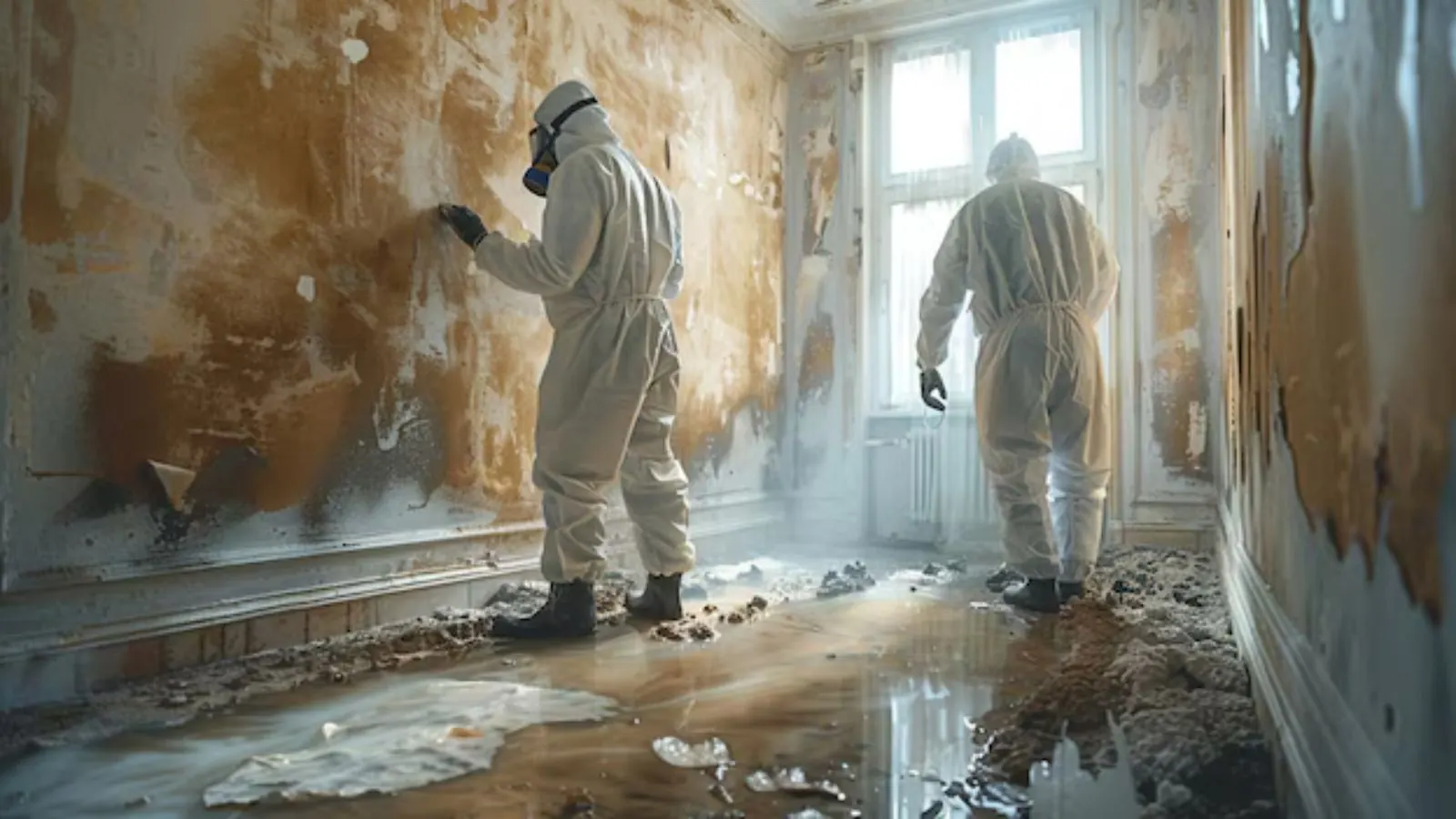
The simple rule behind every mold problem
Mold needs three things: moisture, a surface it can feed on, and time. Drywall paper, wood, carpet pad, and insulation all qualify as food. The only one of the three you can realistically take away after a leak is the moisture.
That is why the first days after water damage matter so much. Common industry guidance says wet materials should be dried within about 24 to 48 hours, and mold can start on materials that stay damp past that window. This page lays out what tends to happen and when, without making any health claims.
A realistic timeline after water enters
Hours 0 to 24: the window to act
Water soaks into carpet, pad, drywall, and wood. Stopping the source, pulling water out, and starting air movement now gives drying the strongest start. Nothing visible may show yet.
Days 1 to 3: moisture settles in
Materials that stayed wet start to hold water deep inside, especially in wall cavities and under flooring. A musty smell can begin. Meter and thermal camera checks matter most here.
Days 3 to 7: growth may become visible
On damp drywall, wood, and fabric, spots can appear as dark, green, white, or fuzzy patches. Hidden growth may show only as odor, staining, or paint that bubbles.
Week 2 and beyond: spread and damage
Wet materials that were never dried can become soft, stained, or crumbly. Growth may spread across connected surfaces, and removal scope grows with it.
These ranges are rough guides, not predictions. Temperature, humidity, and the material all change the pace, so the safe approach is to dry everything quickly and verify with readings.
Warning signs to watch for
- A musty or earthy smell that stays after cleaning
- Dark, green, white, or fuzzy patches on drywall, baseboard, or ceilings
- Paint or wallpaper that bubbles, peels, or darkens
- Carpet that stays damp or smells sour days after drying
- Visible condensation on windows, pipes, or cold walls
- A stain that returns after being cleaned or painted
Where mold hides after a leak
Growth follows water to places you do not look. The back of baseboards, the underside of carpet pad, the cavity behind a vanity, the top of a ceiling below a bathroom, and the inside of a closet wall all stay damp long after the room feels dry. Cabinet kick plates and the floor under a dishwasher are common spots too.
A thermal imaging camera and a moisture meter turn guesses into a map. If readings are high behind a surface that looks fine, the cavity needs opening and drying. If the readings are normal and the smell fades, the area likely dried in time.
Mold or just a stain?
Not every dark mark is mold. Old water rings, dirt on a ceiling, and soot can look similar. A mark that smells musty, feels damp, or spreads is more likely to be active growth, and a stain that stays the same and tests dry on a meter may only be a stain.
You cannot tell for sure by eye, and a home test kit tells you little about how much is present or where it comes from. Focus on moisture readings and on finding the leak. A physician is the right person for any health question.
Standing water or a wet wall in your home? Talk to a dispatcher now.
☎ Call (385) 988-9410How to keep it from starting
Stop the source
Shut off the water and fix the leak, appliance, or roof problem. Drying cannot succeed while water is still coming in.
Extract and open up
Pull standing water out with pumps or extraction units, remove soaked pad and insulation, and open wall cavities where water may be trapped.
Dry with equipment
Air movers and LGR dehumidifiers run until readings match a dry reference. Household fans are not enough for a wet wall.
Remove what cannot dry
Porous materials that stayed wet for days, or that touched contaminated water, are removed and bagged instead of kept.
Verify before you close up
Walls and floors get a meter reading before drywall, flooring, or paint go on. This single step prevents most return visits.
If growth is already present
Fix the moisture first, then address the growth. Small patches on hard surfaces can sometimes be cleaned by the homeowner. Larger growth, growth on drywall or insulation, or anything found after flooding is handled with containment so dust does not spread.
Professional work follows the ANSI/IICRC S520 standard for mold remediation, with containment barriers, negative air with HEPA filtration, removal of affected materials, and cleaning of what remains. Ask your contractor about independent clearance testing and whether Utah licenses mold work and what the company can show you.
Common mistakes after a leak
Waiting to see what happens
A wet wall rarely dries in the open. Every day it stays damp adds to the scope.
Painting over spots
Paint hides a stain but leaves moisture and growth underneath. The mark returns through the new coat.
Fogging or spraying without drying
A treatment cannot dry a wet cavity, and it does not replace removing damaged material.
Closing the room
Keeping doors shut and the heat low traps humidity. Dry rooms need airflow and a dehumidifier.
What to document
Photograph the original water damage, the drying equipment, and every stain or spot that appears afterward, with dates. Keep moisture readings, invoices, and any plumber reports. A record that shows when water entered and when walls read dry helps with claims, with a future sale, and with deciding whether a new stain is old or new.
If a lender, buyer, or landlord asks about mold, give them the documents instead of a verbal summary. Independent clearance testing exists for that purpose, and no one can promise how it will turn out.
When to call a professional
Call when a wet area has stayed damp for more than a day or two, when you smell mustiness you cannot trace, or when stains keep returning. Fast water mitigation is the step that cuts moisture off, and mold remediation covers contained removal if growth has already formed.
We dispatch to Vineyard and Lindon too. We answer 24/7, and while you wait you can shut off the source, open cabinet doors to move air, and take photos of every stain.
What Orem homeowners should know
Orem's sewer flows to the Orem Water Reclamation Facility, and its culinary water comes through the city's Water Section of Public Works. A backup that rises through a basement drain is not a clean-water event, so treat it differently from a supply line leak. Know where your main shutoff is, and call the city if you suspect a problem on the street side.
Because contaminated water soaks into drywall, carpet, and insulation, those materials are usually removed instead of dried, and the exposed framing is dried and cleaned. Ask your contractor to explain what is coming out and why. Keep photos of everything that goes, since it speeds any claim and shows the cleanup plan was followed.
Source types: Orem 2022 Water Conservation Plan, conservewater.utah.govFrequently asked questions
Common guidance says to dry wet materials within about 24 to 48 hours, because growth can begin on materials that stay damp. How fast it appears depends on the material, the temperature, and the humidity.
Yes, if a cavity stays damp. Signs include a musty smell, bubbling paint, and staining. A moisture meter and thermal camera can find wet areas without opening the wall.
Bleach does not dry a wet wall or remove porous material that is damaged. The moisture source and damaged materials are what matter, so fix and dry first.
A home kit says little about the source, amount, or what to do next. Focus on finding moisture, and consider independent testing when a plan calls for it or a lender asks.
Often yes for small, clean-water losses. Larger losses, sewage, or work under containment may mean avoiding certain rooms. Questions about health or sensitivities belong to a physician.
Dry means readings on walls, floors, and framing match a dry reference taken in an unaffected part of the house. It does not mean the surface feels dry to the touch.
Stay out of the water, keep power off if the panel is dry and safe to reach, and call 911 or the utility first for any electrical or gas risk. Sewage is contaminated water, so call our 24/7 line for cleanup and removal of porous materials.