
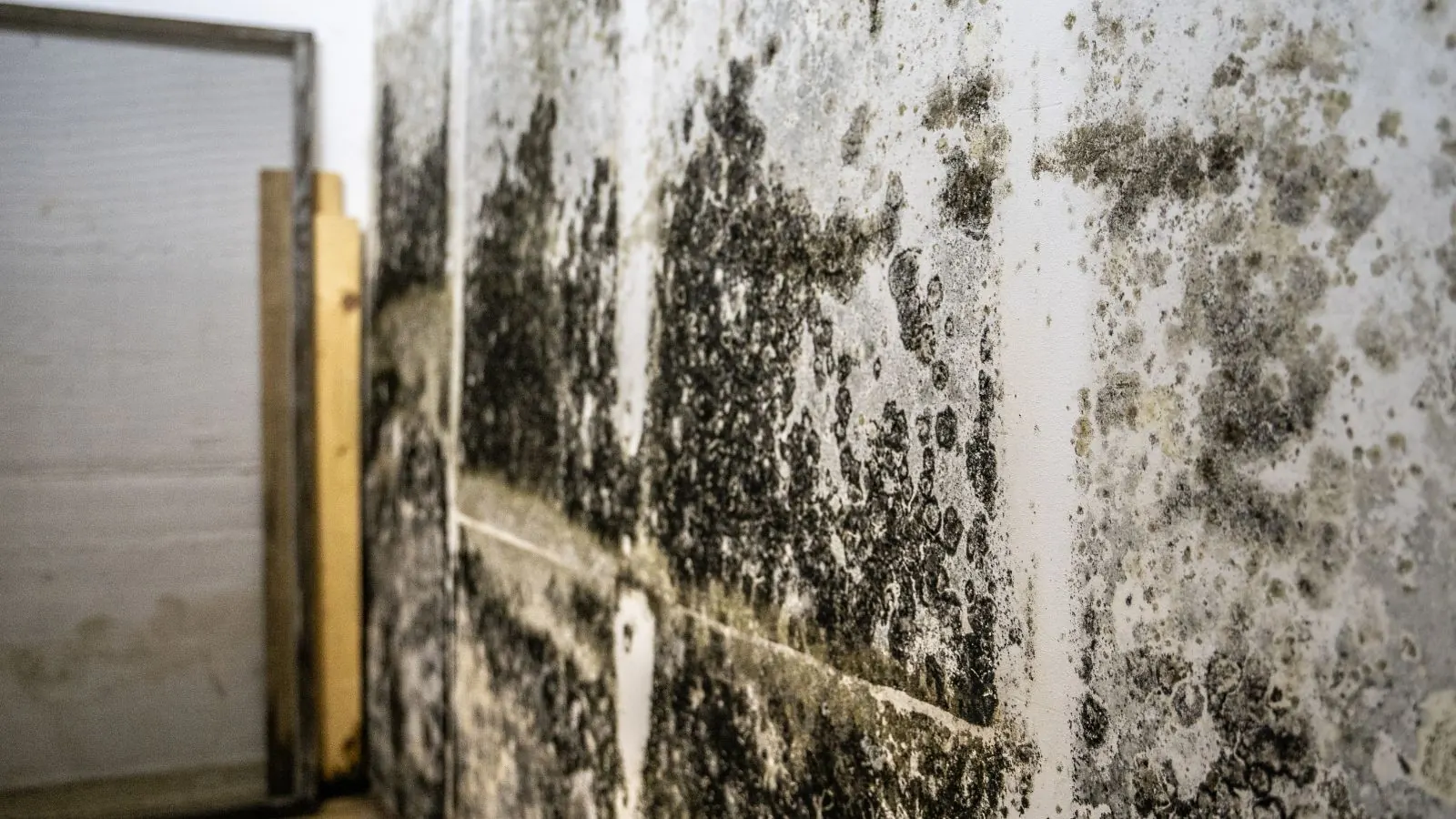
Control moisture and you control mold
Mold spores are in ordinary air, so you cannot keep them out of a house. What you can control is whether they find a damp surface to settle on. A basement stays clear of mold when its air, walls, and floor stay dry, and every tip in this guide aims at that goal.
Basements are the hardest room in a house to keep dry. They sit against soil, hold the laundry and the water heater, and often get less airflow than upstairs rooms. A few cheap habits and one or two good machines do most of the work.
Start with a humidity reading
A digital hygrometer costs little and tells you more than your nose does. Place one in the middle of the basement and another in the dampest corner. Many building guides suggest keeping indoor relative humidity below about 50 percent, and basements often need a machine to hold that line in summer.
Check readings at different times of day for a week. A spike after laundry or showers points to household moisture. A steady high number even with the washer off points to moisture coming through the walls or slab.
What the symptom points to
Match what you see to the likely moisture source before spending money on equipment.
| What you notice | Likely moisture source | First fix to try |
|---|---|---|
| Cold, clammy air and a damp smell in summer | Warm humid air meeting cool concrete | Run a dehumidifier and keep basement windows shut on humid days |
| Wet spot on the wall after heavy rain or snowmelt | Water pooling near the foundation | Extend downspouts and check the grade next to the wall |
| Water at the base of a window well | Clogged or full window well | Clear debris, check the drain, and add a cover |
| Sump pit full with the pump silent | Failed pump, float, or power | Test the pump with a bucket of water and consider a battery backup |
| Condensation on cold water pipes | Humid air touching cold metal | Insulate cold lines and lower humidity |
| Dark spots on a ceiling below a bathroom | Slow plumbing or exhaust leak above | Trace the leak and fix it before cleaning |
| Musty storage boxes on the floor | Cardboard absorbing slab moisture | Move items to shelves and use plastic bins |
Dehumidifiers that actually help
Size a dehumidifier by the square footage and dampness of the space, and check the rating on the box. A unit that is too small runs all day without reaching your target. Place it in the open, away from walls, and keep the door to the room closed.
Use a hose to drain it to a floor drain or sump pit so the bucket never fills and shuts the machine off. Clean the filter on schedule and empty any bucket daily. A dehumidifier is a tool for managing humidity, not a repair for a leak, and it will not dry a flooded room.
Standing water or a wet wall in your home? Talk to a dispatcher now.
☎ Call (385) 988-9410Window wells, gutters, and grading
Clear the window wells
Remove leaves, dirt, and trash from each well in fall and again in spring. Check that gravel at the bottom still drains. A clear cover that fits snugly keeps rain and snow out.
Clean gutters and extend downspouts
Overflowing gutters dump water along the foundation. Add downspout extensions that carry water several feet from the wall, and check that none ends in a low spot.
Check the slope
Soil beside the house should fall away from the foundation, not toward it. Add fill soil where it has settled, and keep flower beds and mulch from blocking drainage.
Aim irrigation away
Sprinkler heads that spray the wall soak the foundation every watering cycle. Adjust them and watch for wet patches the day after.
Test the sump pump
Pour a bucket of water into the pit and watch the float lift and the pump discharge. Confirm the discharge line carries water away from the house and does not freeze in winter.
Indoor habits that add up
- Run bath fans and the dryer vent to the outside, never into the basement
- Fix drips under sinks and at washer hoses as soon as you see them
- Keep stored items a few inches off the floor and away from exterior walls
- Dry wet towels, rugs, and sports gear upstairs instead of hanging them downstairs
- Leave a gap behind furniture so air can move along cold walls
- Replace water-stained ceiling tiles and drywall instead of painting over them
A seasonal routine that fits a basement
In spring, test the sump pump, clear the window wells, and look along the foundation for new damp lines. In summer, watch the hygrometer closely, because warm air carries more moisture and condenses on cool concrete. Keep the dehumidifier running on a drain hose.
In fall, pull hoses off outdoor spigots, clean gutters after the leaves drop, and reset the downspout extensions. In winter, check that sump discharge lines have not frozen and that no pipe on an exterior wall has started to drip. A ten minute walk through the basement each season catches most problems early.
When prevention is not enough
If you can see staining that spreads, smell a persistent musty odor, or find damp drywall, treat it as a moisture problem first. Fix the source, dry the materials, and then deal with the growth. Cleaning mold without drying the surface only gives it something to return to.
Larger growth, mold inside walls, or any growth after flooding calls for containment and a work plan that follows the ANSI/IICRC S520 standard for mold remediation. Health questions belong to a physician, and nothing in this guide diagnoses anyone.
When to call a professional
Call when a basement has taken on water, when drywall or carpet stays damp for more than a day, or when stains keep spreading after you fix the leak. Early water mitigation removes the moisture that growth depends on, and mold remediation handles contained removal if growth has already formed.
The same approach serves homes in Vineyard, where newer basements still collect condensation and plumbing leaks, and in Provo, where older foundations and rentals add their own risks. We answer 24/7, and while you wait you can shut off water and move belongings.
What Orem homeowners should know
The main flood concern in Orem is the Provo River, and the Dry Canyon drainage northeast of Orem and Lindon drains to a detention basin near the Dry Canyon trailhead. During the high-runoff spring of 2023, Orem Public Works kept nearly 5,000 sandbags available, starting with residents next to the Provo River. If your lot sits near either waterway, check your window wells and sump pit before the snowmelt starts.
The city promotes alerts at alerts.utahcounty.gov and asks residents to clear gutters, curbs, and storm drains and to point downspouts and sump pump discharge away from the house. Those are the same moves that protect a basement from mold. Sign up for the alerts and walk your property after the first warm week of spring.
Source types: Daily Herald reporting of Orem Public Works statements, 2023Frequently asked questions
Many building guides suggest keeping indoor relative humidity below about 50 percent. Use a hygrometer to confirm the real number, since basements often run higher in summer than the rooms above them.
It lowers the humidity that damp surfaces depend on, but it cannot fix a leak, a wet wall, or standing water. Use it together with source repairs, drainage work, and good airflow.
Yes for most basements. A cover keeps leaves, rain, and snow out of the well, which keeps the glass and frame drier. Choose a clear cover that fits tight, and still clear the well in spring.
Test it at the start of spring runoff and again before winter. Check the float, the discharge line, and the power source. A battery backup helps during an outage, and routine testing catches a stuck float before a storm.
Paint over a wall that is still damp will blister and peel, and it hides the problem. Find and fix the moisture source, dry the wall, and confirm it with a moisture meter before any coating goes on.
A small spot on a hard surface is often handled by the homeowner after the moisture is fixed. Growth on drywall, insulation, or a large area, or any growth after flooding, is better judged by a remediation company.
Clear gutters, curbs, and storm drains near your lot, point downspouts and sump discharge away from the house, and clean the window wells. Watch alerts.utahcounty.gov for runoff notices, and call us on our 24/7 line if water enters.